
Blast · ISO 16933 EXV45 to EXV10
Blast Resistant Glass in Wolverhampton
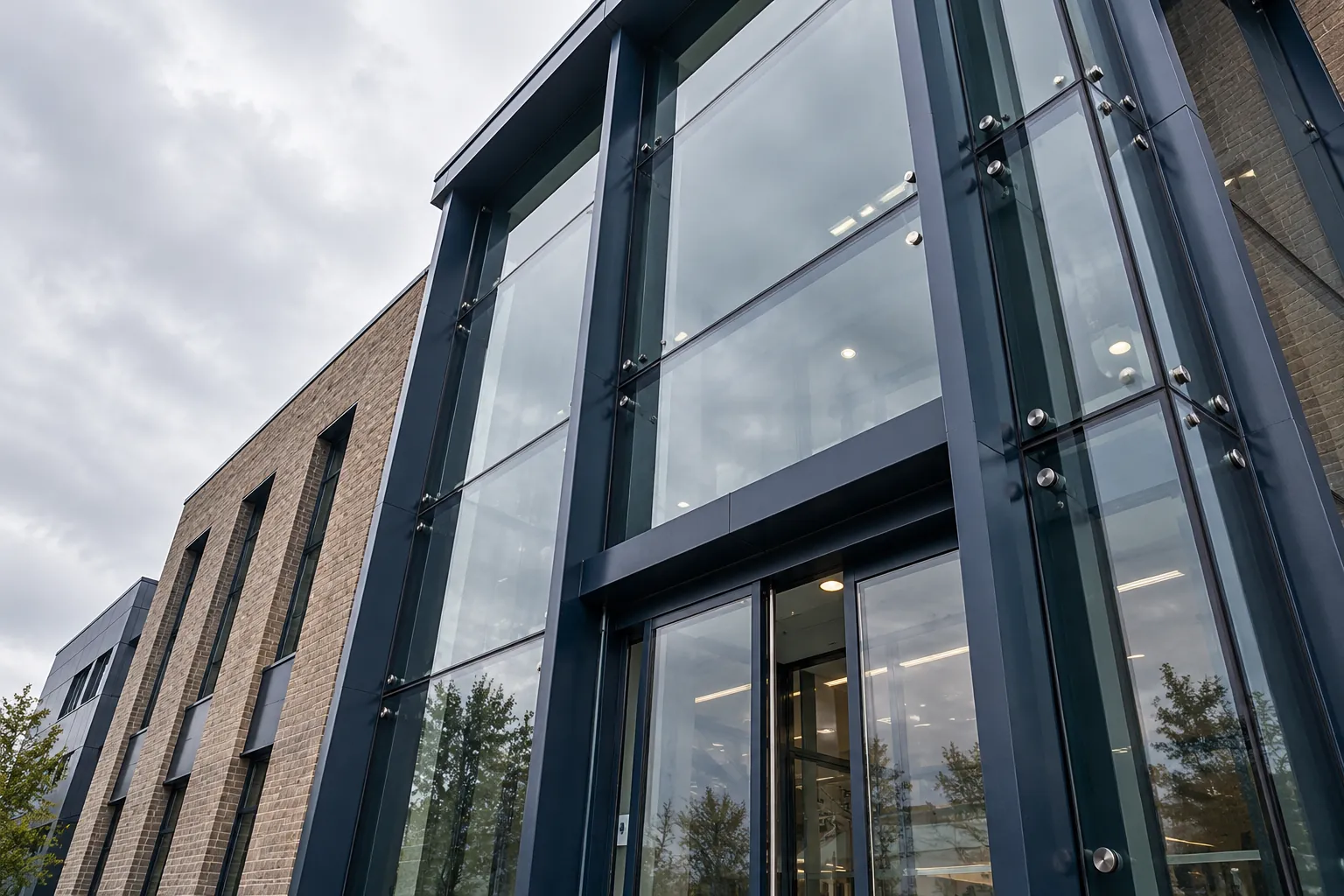
Blast resistant glass in Wolverhampton for Molineux, the station, hospitals and the Mander Centre, rated to ISO 16933 and held in frames matched to the pane.
- ✓Third-party test evidence with every product
- ✓Written specification you can issue to tender
- ✓Supplied and installed in Wolverhampton
Get a free quote in Wolverhampton
Rating, written specification and budget range within one working day.
Confidential. No cost, no obligation.
Third-party tested
Evidence with every quote
UK manufactured
Made to your sizes
One accountable team
Specify, supply, install
Confidential handling
Details never shared
Supplied and installed in Wolverhampton
What we supply in Wolverhampton
Blast resistant glass in Wolverhampton holds a pane in its frame after a blast load, so the glass stays in place instead of throwing shards into the room. The pane is only half the answer: the frame, the fixings and the wall carry the same load, and a pane rated on its own means little if the frame gives way first.
Wolverhampton asks for blast glass in several kinds of building. Molineux Stadium moves large crowds through concourses and entry screens on match days, Wolverhampton station moves passengers through a glazed frontage all day, and New Cross Hospital, the University of Wolverhampton, the Mander Centre, the Wulfrun Centre and the Grand Theatre each put glass between the public and the rooms behind it. A stadium concourse, a hospital entrance and a shopping centre frontage each face a different blast threat, so each one needs its own rating.
The Wolverhampton security doors page shows the solid leaves beside glazed openings, and the Martyn’s Law premises guide covers the duties for venues that hold 200 people or more, with the largest venues passing 800 into the enhanced tier. A blast pane is one of the physical measures a venue weighs under that law, and the rating for it should be set before the frame is ordered.
How a blast pane behaves under load
A blast pane is a laminated pane: two or more sheets of glass bonded to a plastic interlayer that holds the broken glass together when the load hits. The blast wave bends the pane inward, the glass cracks, and the interlayer stretches instead of tearing, so the pane stays in the frame and the fragments stay on the interlayer. The frame then has to hold the edge of the pane while the load passes through it, which is why the frame depth, the bite on the glass edge and the fixings into the wall are part of the rating.
Spall is the risk the pane is built to stop. Without a rated pane, the inside face of the glass breaks into shards that travel into the room at speed, and the injuries that follow are often worse than the blast damage to the building. A rated pane keeps the shards on the interlayer, and the blast ratings page sets out the classes that measure that performance. The ISO 16933 EXV and SB guide explains the two test routes behind those classes.
Three ratings that shape a blast pane
The first rating is the blast class itself. ISO 16933 gives two routes: EXV classes, set by charge weight and standoff distance from the pane, and SB classes, set by a shock tube test that applies a pressure wave of a set size and duration. The threat assessment names the charge and the standoff, and the EXV class follows from those two numbers. A pane at the front of a building with a short standoff needs a higher class than the same pane set back behind a forecourt.
The second rating is forced entry. A blast pane can still be attacked by hand, so the same opening often carries an SR class as well, and both ratings have to share one frame. The glazing schedule lays LPS 1175 Issue 8.2 (September 2024) through the SR classes in order, and that issue puts SR2 at class B3. The LPS 1175 page pairs each SR class with the tools and time it resists, and the LPS 1270 standard page shows the forced entry rating for glazing itself. The ratings comparison guide weighs the three.
The third rating is fire, and it applies only where the glazing also sits in a fire wall. A fire wall spells BS EN 1634-1:2014+A1:2018 between the blast requirement and the fire requirement, so a pane in that wall needs both ratings from one tested set, frame and seals included. A blast pane in a plain external wall needs no fire rating at all, and adding one where the wall does not need it adds weight and cost for no gain. The fire ratings page carries the fire classes, while the dual certification guide shows how a fire rating and a security rating are held together.
Wolverhampton buildings that order blast glass
Each building in Wolverhampton puts blast glass in a different place for a different reason, and the table gives the point that shapes the glass for each one. The rating follows the standoff and the crowd behind the pane.
| Building in Wolverhampton | Point that shapes the glass |
|---|---|
| Molineux Stadium | Concourse glazing and entry screens |
| Wolverhampton station | Glazed frontage with passengers close to the pane |
| New Cross Hospital | Entrance glazing where visitors queue |
| University of Wolverhampton | Reception and atrium glazing |
| Mander Centre and Wulfrun Centre | Shopfront glazing on busy retail streets |
| Grand Theatre | Foyer glazing where audiences gather |
Setting the glass rating for a Wolverhampton elevation
Setting the rating starts with the standoff: the distance from the pane to the nearest point a vehicle or a person carrying a device can reach. A pane on the Mander Centre frontage has a short standoff because the pavement runs right up to the glass, while a pane set back behind a forecourt at the university has more room, and the class falls as the standoff grows. The threat assessment names the charge weight and the standoff, and the EXV class is read from those two numbers.
Frame and pane go in together. A deep frame with a wide bite holds the edge of the pane under load, and a shallow frame lets the pane pull out even when the glass itself would have held. Sightlines matter too: a thicker pane and a deeper frame cut the clear view through a shopfront, so the elevation shows the frame depth before the glass is ordered. The blast doors glazed or solid guide contrasts a glazed leaf with a solid one, and the blast window cost and specification guide covers the price drivers for glazed units.
Survey, supply and handover in Wolverhampton
A Wolverhampton job follows five phases: survey, rating, written specification, supply and fitting. The survey measures each opening, records the standoff, photographs the wall around the frame, and notes the crowd that stands behind the glass. The rating is drawn from the survey, and the written specification lists the blast class, the SR class, the frame, the fixings and the glass make up, so one document carries the price.
A frame held by fixings sized for a plain window will not hold a blast pane, so the anchor type and spacing sit in the specification beside the glass class. The blast resistant doors page shows the rated leaves beside glazed openings, and the blast resistant windows page shows the full window sets.
Send the opening sizes, the blast class and the frame type to [email protected] and expect our answer inside one working day. That answer names the next step, usually a survey booking. The ballistic glass ratings guide covers the BR scale for openings that need a ballistic class as well, and the choosing a ballistic rating guide shows how that class is picked.
A blast pane without a matched frame is a plain pane with a certificate that does not apply. Ask for the test evidence for the pane, the frame and the fixings as one set.
Wolverhampton blast glass questions
Does blast resistant glass stop a forced entry attack too?
That needs an SR class on the pane as well. A blast class measures the pane under a blast load, and a forced entry class measures it against hand tools across a set period. Both ratings share one frame, and the specification needs to name each of them.
Can blast glass go in a listed building in Wolverhampton?
It can, but the frame depth and the sightlines need consent, and a shallow historic frame may not take a rated pane at all. The survey photographs the opening and the frame.
How thick is blast resistant glass?
There is no single thickness. The thickness follows the class, the pane size and the interlayer, so a small pane at a low class is far thinner than a large pane at a high class. The specification names the make up for each opening, and the frame and the fixings are sized at the same time.
Does the glass need a fire rating as well?
Only where the glazing sits in a fire wall. A pane in a plain external wall needs no fire rating, and adding one where the wall does not need it adds weight and cost for no gain. Where the wall is a fire wall, the pane, the frame and the seals need the fire rating from that one tested set.
Get a blast glass quote for Wolverhampton
Send the opening sizes and the blast class. Get a blast glass quote to start the survey. Our base is on Saffron Road in Romford, Essex, RM5 3ES.
Other areas
Blast resistant glass in other areas
Ready to specify your project?
Free assessment, written specification and test evidence. Reply within one working day.