
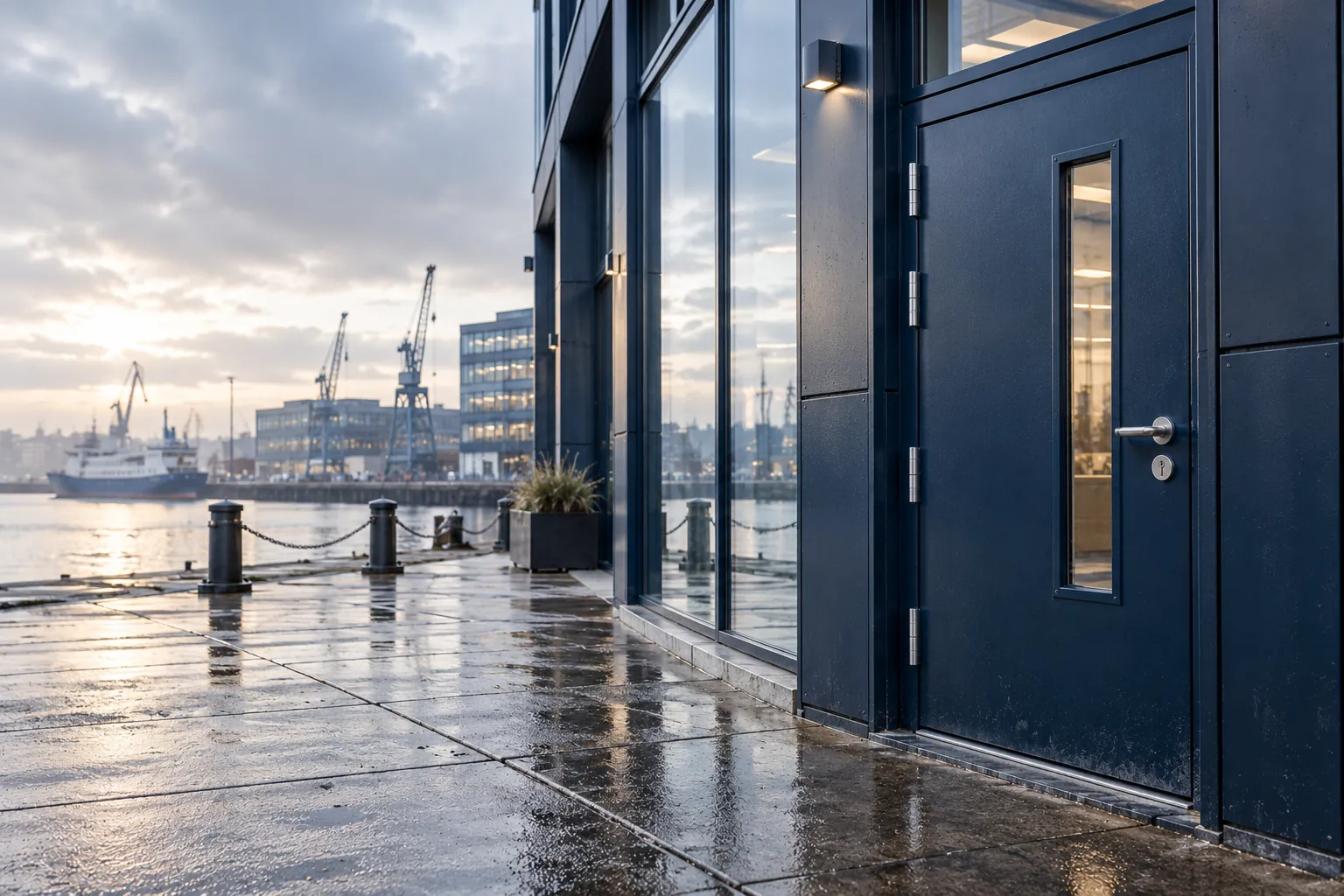
Blast · ISO 16933 EXV45 to EXV10
Blast resistant windows in Southampton
Blast resistant windows in Southampton for port, hospital and campus buildings, rated to ISO 16933 with a specification and reply inside one working day.
- ✓Third-party test evidence with every product
- ✓Written specification you can issue to tender
- ✓Supplied and installed in Southampton
Get a free quote in Southampton
Rating, written specification and budget range within one working day.
Confidential. No cost, no obligation.
Third-party tested
Evidence with every quote
UK manufactured
Made to your sizes
One accountable team
Specify, supply, install
Confidential handling
Details never shared
Supplied and installed in Southampton
What we supply in Southampton
Southampton needs blast resistant windows where glazed elevations face roads that carry lorries, coaches and cruise traffic. The Port of Southampton brings heavy vehicles close to terminal buildings, and around Ocean Village, Westquay and the city centre hold offices, hotels and shops with large areas of glass at ground level. The area page, physical security in Southampton, gives the wider picture for rated work across the city.
The city mixes port buildings with hospitals, campuses and leisure venues, and each group puts glass in a different place. Southampton General Hospital, Southampton Solent University and the University of Southampton hold wards, laboratories and lecture halls behind glazed fronts, while St Mary’s Stadium, the Mayflower Theatre and SeaCity Museum bring crowds into glazed public areas. The Bargate stands at the edge of the old town, and the cruise terminals sit beside quays where vehicles and passengers meet. A buyer in Southampton should judge every opening on its own stand off, its use and the class the assessment gives it.
Where Southampton asks for rated glazing first
Terminal buildings and dockside offices usually ask for the highest classes on quayside glazing. Check-in halls, waiting areas and offices at the cruise terminals sit close to roads that carry coaches and lorries, so those elevations need a class for blast and a class for forced entry together. The transport hub security requirements guide shows how a hub schedule treats entrances, halls and glazed fronts, and the same order works for a terminal: measure the stand off, name the charge the assessment gives, then quote the class.
Hospitals, campuses and leisure venues ask for a different mix. Wards, laboratories and pharmacies at Southampton General Hospital need glazing that stays in its frame under pressure, while lecture halls and student buildings at the two universities need rated units on entrance glazing and ground floor rooms. Shops and offices around Westquay and Ocean Village face busy streets, and the stadium, the theatre and the museum hold glazed fronts where crowds gather. Each of those elevations takes its class from the assessment, not from the building next door.
How a blast rating reads on a window
Under ISO 16933, a vehicle borne charge is tested on the EXV scale with a set stand off, while a hand carried charge is tested on the SB scale at closer stand off. The EN 13123 and EN 13124 pair sets EPR and EXR grades for glazed units, doors and shutters under blast load. The ISO 16933 EXV versus SB guide compares the two scales; the full classes sit on the blast ratings page.
The glass, the frame, the opening gear and the fixings went through the test together as a single unit, and only the whole tested window holds the rating. Swap a single part after the test and the rating may no longer stand. The hazard scale for glazing runs A to F, with A meaning no break and F meaning high hazard, and the frame needs a grade that matches the pane on that scale. The security glazing classes sit in LPS 1270 Issue 1.1 (2014). On the LPS 1270 standard page, the classes are listed. Where a window also needs to hold back an intruder, its forced entry class should sit in the same line. How the three ratings sit together is explained in forced entry versus ballistic versus blast ratings.
Rating guide for Southampton windows
Read the table as a first guide only. The risk assessment fixes the final class for each opening, with sign-off from the consultant and the site security team before pricing.
| Site in Southampton | Opening | Rating to quote | Window type |
|---|---|---|---|
| Cruise terminals and dockside offices | Check-in halls and quayside glazing | EXV class, SR3 (C5, 5 min) | Fixed rated window with matched frame |
| City centre shops and offices | Ground floor glazing beside busy roads | EXV class, SR2 (B3, 3 min) | Opening rated window with matched frame |
| Hospital and campus buildings | Wards, laboratories and entrance glazing | SB class, SR2 (B3, 3 min) | Tilt rated window with laminated pane |
| Stadium, theatre and museum fronts | Public elevations facing forecourts | EXV class, SR4 (D10, 10 min) | Fixed rated window with matched frame |
| Quayside and service buildings | Side glazing near service roads | SB class, SR1 (A1, 1 min) | Fixed rated window with matched frame |
How to specify a rated window for Southampton
Work from the risk assessment and the stand off for each elevation. The charge size and the gap to the road decide the ISO 16933 class, and the way the window opens, how it is vented, how it is cleaned and what finish it takes should be named beside it. The specification allows LPS 1175 Issue 8.2 (September 2024) assessing the forced entry side of the window, so the SR class sits beside the blast class in one line. The LPS 1175 standard page shows the SR classes. The LPS 1175 windows and walling guide is the reference for the forced entry side. The how to specify security doors guide walks through the points to settle before a price is given.
A rated pane and a film do different jobs. Film keeps fragments bound on glass already fitted, while a rated pane, frame and fixings passed the test together for a named class. The blast window film what it does guide explains where film helps and where a rated unit is needed. Fixed, opening and tilt windows all take a rating where the tested set covers that opening method, and the pane should be graded to match the frame. LPS 2081 Issue 1.1 (2016) covers swinging doorsets, so a window beside a rated door should be checked against the same opening schedule. PAS 68:2013, withdrawn 25 October 2023, gave way to ISO 22343-1:2023, so any barrier quoted beside the windows should name the current standard, as the HVM standards guide explains. Costs are covered in blast resistant windows cost and specification, which covers what moves the price of a rated window, and blast resistant glass in Southampton deals with the pane side of the same openings.
From survey to fitted window in Southampton
Work in Southampton begins with drawings or a window schedule plus the required class for each opening. The surveyor visits each opening, notes the wall build-up and the reveal, measures the sill height, and notes how the window opens and what the room is used for. Those measurements fix the sizes and the fixing method, so every window is made for the opening it was measured in. Every window is built to the written specification, with the test paper for the class quoted handed over with it, and the fitters work from the drawings already issued. The manufacture in Southampton service covers making the units, and the maintenance in Southampton service covers the later checks that keep a rated opening in working order.
The Romford wing: Saffron Road, Romford, Essex RM5 3ES.
Before anything is ordered, the drawings go straight to [email protected], each opening marked with its class, and the team answers within one working day, sending a specification check, a budget range, survey dates and the next step for the opening schedule.
Measure the stand off from the road to each window and note the opening method before asking for a price. A rating lifted from a different building rarely fits a Southampton elevation, so send the distance, the use of the room and the class from the assessment, and the specification follows from those three facts.
Questions about rated windows in Southampton
Do cruise terminal windows need a different class from office windows?
They take their class from the same assessment, but the figures differ. A terminal elevation faces coaches and lorries at close stand off, so it usually needs a higher EXV class than an office window set back behind a forecourt, and the assessment gives the class for each opening.
What is the difference between EXV and SB?
EXV is the vehicle borne scale and SB is the hand carried scale. The charge size and the stand off decide which class applies, and the full classes sit on the blast ratings page.
Does window film give the same protection as a rated pane?
No. Film only keeps fragments bound on glass already fitted. A rated unit passed the test as a whole for a named class, so film suits a lower hazard where the glass stays and a rated unit is needed where the assessment names a blast class.
Can a tilt window carry a blast rating?
It does, where the test covered the tilt method. The glass, frame, gear and fixings were tested together, so a tilt window keeps its rating only where spare parts match the tested set and the change is written down.
Planning blast resistant windows for a Southampton building? Email the drawings with the class for every opening, and a rated window will be named for every elevation once the drawings arrive.
Other areas
Blast resistant windows in other areas
Ready to specify your project?
Free assessment, written specification and test evidence. Reply within one working day.