
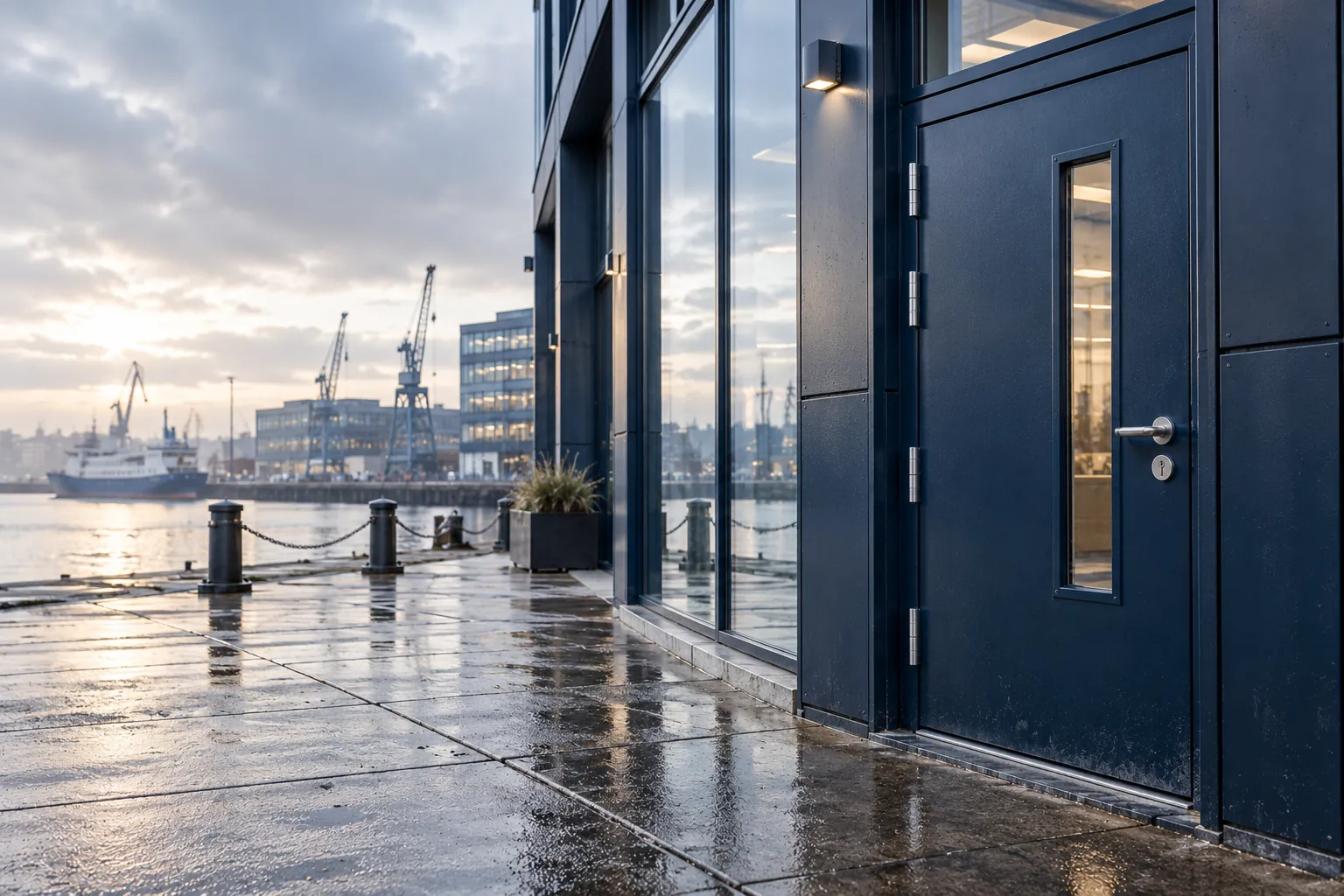
Blast · ISO 16933 EXV45 to EXV10
Blast Resistant Glass in Southampton
Blast resistant glass for Southampton port, terminal and Westquay fronts, rated to the threat at each elevation and made to the measured opening.
- ✓Third-party test evidence with every product
- ✓Written specification you can issue to tender
- ✓Supplied and installed in Southampton
Get a free quote in Southampton
Rating, written specification and budget range within one working day.
Confidential. No cost, no obligation.
Third-party tested
Evidence with every quote
UK manufactured
Made to your sizes
One accountable team
Specify, supply, install
Confidential handling
Details never shared
Supplied and installed in Southampton
What we supply in Southampton
Southampton shows a lot of glass to the street. Westquay fronts the town centre with glazed shop fronts, the cruise terminals and Ocean Village face the water with wide screens, and the two universities and Southampton General Hospital use glazed atriums and entrances across their estates. Glass lets light in and lets people see in and out, and that same openness is the risk: a pane that breaks under blast load throws sharp pieces across the room behind it. Blast resistant glass is built to stay in its frame under that load, so the opening stays shut.
The pane cannot earn the rating on its own. A shallow frame, or a weak wall behind a rated frame, pulls the opening below the rating the glass was tested to. The depth of the frame, the fixing, the bite of the glass and the wall that holds the opening all shape the result. A Southampton specification puts glass, frame and fixing ratings on one line, with the opening surveyed before anything is ordered.
Southampton buyers order this glass for port buildings and cruise terminals, office receptions, hospital entrances, university atriums, hotels and busy retail. One job may be one glazed screen in a reception near Westquay, the next a set of windows for the Civic Centre, and another a full set of facade glazing for a new block near the docks. Every job starts the same way: the blast rating is agreed in writing, the opening is surveyed, and frame and fixing are specified to match the glass. Work elsewhere in the city beyond blast glass is on our page on physical security in Southampton.
How a Southampton pane behaves under blast load
Layers of glass bonded to an interlayer give a blast resistant pane its behaviour under load. When the glass cracks, the interlayer keeps the pieces in place and the pane holds in its frame, so the opening stays shut. The rating is earned by that behaviour: the pane may crack and mark, and it still passes while it stays in place and keeps people inside clear of flying glass and the pressure behind it.
Only a test gives the pane its rating. The blast ratings page carries the ratings for glazing and doorsets, and the ISO 16933 EXV and SB guide sets out the two ways a pane is classed: EXV classes turn on charge size and distance. SB classes turn on shock tube testing instead. Put the class and the standard in full on the specification, since one class never implies the other.
The cruise terminals and Westquay frontages are the first ask in Southampton, since the pavements in front of them stay busy late into the evening. A terminal entrance screen and a shop front on a busy pavement carry a different risk from a window on an upper floor over a courtyard, so the rating shifts from floor to floor and from one elevation to the next.
The docks bring a different pattern again. Service buildings and gatehouses beside the port face vehicle routes all day, and a pane there takes its class from the lorries that pass it, not from the offices behind it. At Southampton General Hospital the public entrance and the emergency department face roads used by ambulances and delivery vans, so the glazing at those entrances is rated to the traffic in front of it.
Matching each Southampton facade to its glass
The table gives a first view of the glass each Southampton site usually needs. The threat assessment for the site settles the final class, and the price follows from that figure, so take every class here as a starting point, not a promise.
| Site in Southampton | Glazing | Class | Frame and fixing |
|---|---|---|---|
| Cruise terminals | Entrance screens and ticket hall glazing | EXV or SB, set by assessment | Deep frame fixed to the structure |
| Westquay and Ocean Village | Shop fronts and restaurant glazing | Class with a hazard grade for the glass | Frame grade level with the glass |
| Southampton General Hospital | Public and emergency department entrances | ISO 16933 class, SR grade set by assessment | Doorset and screen rated as one set |
| The two universities | Atriums, libraries and entrance screens | EXV, set by assessment | Glazing and frame tested together |
| Offices near the docks | Reception screens and ground floor windows | Class with a hazard grade, A to F | Deep frame with a full glass bite |
What goes on a Southampton blast glass specification
Begin with the distance from the road to the pane, then the threat assessment for that elevation. Those two facts fix the ISO 16933 class. The guide to specifying security doors takes up the other decisions before pricing. The glazing schedule defines LPS 1175 Issue 8.2 (September 2024) over the SR2 class B3 entry for the frame beside the glass. The LPS 1175 page spells out the SR classes from SR1 to SR4. The ten steps to an LPS 1175 door takes the forced entry side step by step.
One line of the specification names the glass, the frame and the fixing together, with the test record for that class filed beside it. Add the finish and any access control interface for a glazed door, and a fire rating where the glazing must also hold back fire, so the two duties land in one document at handover. Glazing that must also hold back fire takes its fire line from the same clause, which defines BS EN 1634-1:2014+A1:2018 below the rating entry, so the test record sits beside the class it proves. The fire ratings page carries the classes for glazed units, and the design service sets out each opening’s specification from the threat assessment.
The vision panel in a glazed screen takes a hazard grade of its own, from A, where the pane stays whole, to F, where the hazard is high. The frame grade is held to the glazing grade, since a strong pane set in a weak frame still leaves the opening open to the pressure wave. The cost and specification guide for blast resistant windows goes into the glazing side in detail, and the glazed and solid blast doors guide sets a glazed screen beside a solid door for mixed elevations. The blast class says nothing about forced entry, and the ratings comparison shows the gap between the two.
From survey to handover on a Southampton site
A Southampton glazing job starts with drawings naming the class wanted at every pane. At the site the surveyor measures each opening and notes the wall build, the frame depth that the wall allows, the glass bite, the floor level and the way the room behind the pane is used through the day. Pane sizes, frame sizes and the fixing method come from those notes, so each unit is made for the opening it will fill.
The installation service fits the glazing and hands it over, and the maintenance checklist for security doors gives the routine checks once the glazing is in.
[email protected] takes drawings and pane sizes, and answers inside one working day with a specification and a price range. The quote form accepts the same drawings and sizes.
One warning before you order in Southampton
A pane ordered to the wrong class cannot be fixed by a stronger frame. Set the class from the threat at each elevation first, then order glass, frame and fixing to match it.
Southampton blast glass questions
What fixes the blast class for a Southampton shop front?
The threat assessment for that elevation chooses it, weighing charge size against the road to pane distance. The EXV scale covers charges carried by a vehicle, and the SB scale covers charges carried by hand.
Can blast resistant glass also hold a fire rating?
Yes, when one glazed unit carries test records for both ratings. The blast class and the fire rating sit on one line of the specification, with the record for each next to it.
Which Southampton elevations need blast glass first?
Ground floor panes that face a vehicle route at the cruise terminals, Westquay and the hospital entrances come first, since crowds gather there and traffic passes close to the glass. Upper floors over courtyards take lower classes, since the distance from the road is greater.
What should we have before we can price Southampton glazing?
Drawings that name the class at each elevation, the pane sizes and the gap from the road to each pane. With those facts the specification and the price range are ready inside one working day.
Want blast resistant glass in Southampton?
Tell us the pane sizes and the class at each elevation, and each opening gets glazing rated to that class. Get a free quote
Other areas
Blast resistant glass in other areas
Ready to specify your project?
Free assessment, written specification and test evidence. Reply within one working day.