
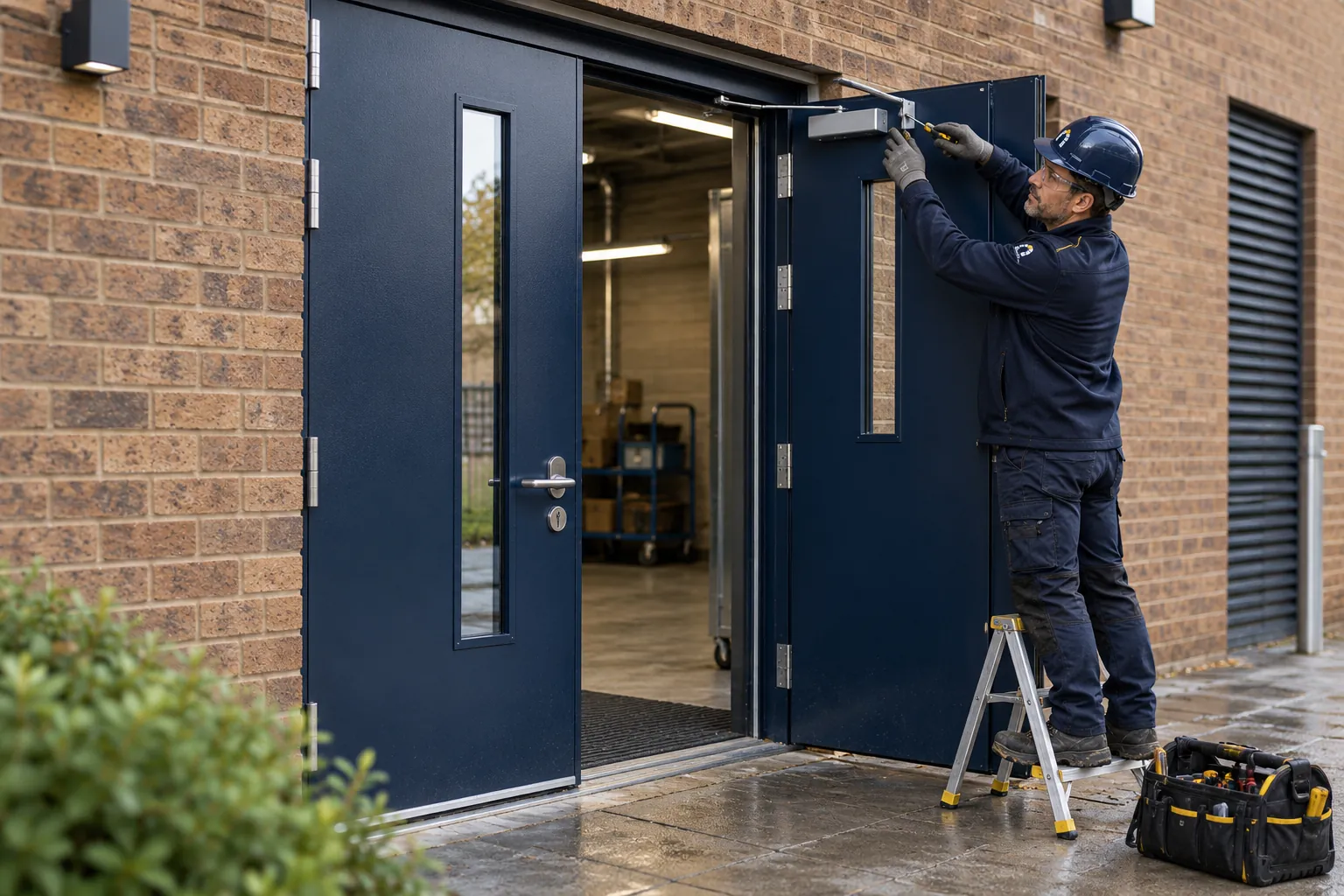
Security · LPS 1175 SR2 to SR5
Security sash windows
Rated security sash windows for UK heritage and period buildings. Traditional sliding sashes with forced entry protection, supplied and installed by ArxBridge.
- ✓Third-party test evidence with every product
- ✓Written specification you can issue to tender
- ✓Supplied and installed across the UK
Get a free project quote
Rating, written specification and budget range within one working day.
Confidential. No cost, no obligation.
Third-party tested
Evidence with every quote
UK manufactured
Made to your sizes
One accountable team
Specify, supply, install
Confidential handling
Details never shared
Security sash windows bring forced entry protection to the traditional sliding sash. They keep the familiar vertical sliding style that conservation officers expect, while the frame, glass and locks are built to resist attack. ArxBridge supplies and installs rated sash windows across the UK for heritage and period buildings.
- Traditional styleVertical sliding sash design
- Rated optionsPAS 24 and LPS 1175 B3
- Heritage friendlySuits listed buildings
- UK wideSurvey, supply and installation
The basics of security sash windows
A security sash window is a vertical sliding window whose construction resists forced entry. The sashes slide past each other on a traditional pulley or spiral balance, but the meeting rails carry locks that engage the two sashes together, and the frame is built to stop the sashes being levered out.
The classic weakness of a sash window is the meeting rail: the point where the two sashes meet in the middle. A jemmy in that joint can part the sashes on an ordinary window. Rated sash windows reinforce that joint with interlocking meeting rails and multiple locks, so the middle of the window is as strong as the frame around it.
Appearance is the whole point of a sash window, so the security is hidden in the section. Glazing bars, horns and mouldings follow the original pattern, and the window reads as a period sash from the street. The rating lives in the locks, the reinforcement and the glass, not in a changed elevation.
Choosing the right rating for security sash windows
Heritage projects usually work to PAS 24 or LPS 1175 B3. Higher ratings are possible but the deeper sections they need can clash with conservation requirements.
| Rating | What it resists | Typical use |
|---|---|---|
| PAS 24 | Stronger residential window security, a step below LPS 1175 | Period homes and conservation area houses |
| LPS 1175 B3 (SR2) | Three minutes against hand tools such as screwdrivers and hand saws | Ground floor sashes in higher risk period buildings |
| LPS 1175 C5 (SR3) | Five minutes with crowbars, drills and chisels | Selected high risk openings, subject to section depth |
| EN 1627 RC classes | European burglar resistance, RC1 to RC6 | Projects specified to the European scale |
Agree the target rating with the conservation officer early. The LPS 1175 ratings guide explains what each class demands, which helps the officer see that the rating does not have to mean a modern looking window.
Specifier note. Listed building consent can take months and may set conditions on the window design. Start the consent application before the window specification is finalised, not after.
Inside security sash windows
The box frame is formed in timber or steel, sized to carry the sash weights and the locking. Timber suits most heritage work because it matches the original material and takes traditional mouldings. Steel suits larger openings and higher ratings where timber sections would need to grow beyond the historic pattern.
Each sash carries laminated security glass, often in a slim double glazed unit where the frame depth allows it. The meeting rails interlock and carry sash locks at two or more positions, and the outer frame has stops that prevent the sashes being lifted out from outside. Staff beads and parting beads are screwed and secured so they cannot be prised away.
Where the frame is too shallow for a standard sealed unit, vacuum insulated glass gives thermal performance in a much thinner pane. It lets a period sash keep its slim glazing bars while still losing less heat than single glass.
Combining security sash windows with other ratings
Sash windows often sit in buildings where the doors need protection too. A rated sash at the window and an LPS 1175 rated doorset at the entrance give the facade a consistent level, instead of a strong door next to a weak window.
Where the building cannot take new windows, blast protection window film on the existing glass is a reversible option that conservation officers sometimes prefer. It carries no forced entry rating, but it holds fragments together and it leaves the historic fabric untouched.
Typical uses for security sash windows
Residential and housing covers most sash work: Georgian and Victorian terraces, conservation area houses and listed townhouses where the sash is part of the street scene. Education buildings include historic schools and university colleges whose original sashes must be kept.
Government and civic buildings with listed status use rated sashes where the windows face the public realm. Hotels and offices in converted period buildings use them to meet insurer requirements without losing the character that makes the building lettable. Entrances in the same buildings often use thermally broken doors where heat loss matters alongside the security rating.
What affects the cost and lead time of security sash windows
Heritage detailing drives the cost: glazing bars, horns, mouldings and weights all take joinery time, and listed work often needs samples for approval. The rating adds locks, reinforcement and laminated glass on top of that joinery. Timber species and paint finish affect both price and programme.
Consent is the schedule risk. Listed building consent and conservation area requirements can add months before manufacture starts, and conditions may change the design. Access for installation in occupied historic buildings, and any making good to lime plaster and architraves, add site time. A measured survey and early talks with the conservation officer are the basis for a realistic quotation.
Specifying security sash windows
- Check the listing status. Confirm whether consent is needed and what the officer will accept.
- Record the original detail. Photograph and measure the existing sashes, bars, horns and mouldings.
- Set the rating. PAS 24 or LPS 1175 B3, agreed with the insurer and the conservation officer.
- Choose the material. Timber for most heritage work, steel where the rating needs slimmer strength.
- Agree the glass. Slim double glazing or vacuum insulated glass to suit the frame depth.
- Request a detailed quotation. Send the survey, photographs and the consent position for a fixed proposal.
Frequently asked questions
Will the conservation officer accept a rated sash window?
Often yes, because the security is hidden in the section and the window keeps its period appearance. Early discussion helps: show the officer the proposed sections and explain that the rating does not change the elevation.
Can you match our existing glazing bars?
The bars are copied from the original windows during the survey. True divided bars or applied bars are chosen to match what is there, subject to the glass thickness the rating needs.
Do rated sash windows still slide smoothly?
Yes. The sashes are balanced for their weight, including the heavier laminated glass. The locks disengage fully before the sash moves, so sliding feels like a well made ordinary sash.
Can the sashes be opened for ventilation?
Yes, and restrictors can limit the opening for child safety or for ground floor security. The restrictors are part of the specification, not an afterthought, so they suit the rating.
What about draughts in old sash windows?
New rated sashes are draught proofed as part of manufacture, with brushes and seals in the parting beads. The result is warmer and quieter than the worn originals they replace.
Get a free quote
Related
More in security doors, windows and entrance control
Ready to specify your project?
Free assessment, written specification and test evidence. Reply within one working day.