
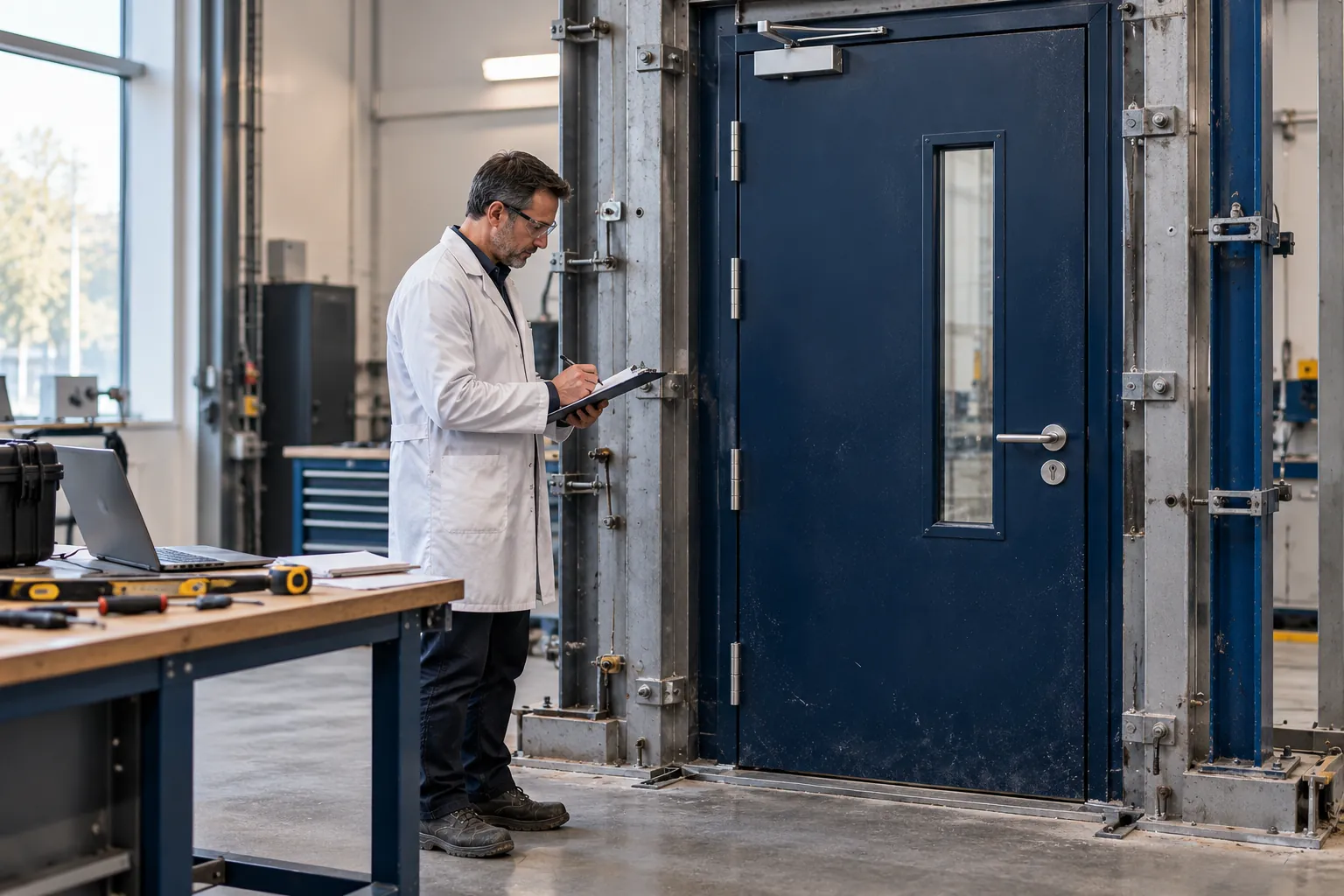
Standards explained
Security standards explained
UK security standards explained: LPS 1175, LPS 2081, EN 1522 ballistic, ISO 16933 blast, fire ratings, PAS 68 vehicle impact and Martyn's Law.
- ✓Third-party test evidence with every product
- ✓Written specification you can issue to tender
- ✓Supplied and installed across the UK
Get a free project quote
Rating, written specification and budget range within one working day.
Confidential. No cost, no obligation.
Third-party tested
Evidence with every quote
UK manufactured
Made to your sizes
One accountable team
Specify, supply, install
Confidential handling
Details never shared
The range
Explore security standards explained
 Ballistic ratings: EN 1522 and EN 1063
EN 1522 and EN 1063 set ballistic ratings from FB1 to FB7 and BR1 to BR7. This guide explains each… View details →
Ballistic ratings: EN 1522 and EN 1063
EN 1522 and EN 1063 set ballistic ratings from FB1 to FB7 and BR1 to BR7. This guide explains each… View details →
 Blast ratings: ISO 16933
ISO 16933 sets blast ratings for glazing from EXV45 to EXV10, with SB classes and A to F hazard ratings.… View details →
Blast ratings: ISO 16933
ISO 16933 sets blast ratings for glazing from EXV45 to EXV10, with SB classes and A to F hazard ratings.… View details →
 Fire ratings: E and EI
Fire ratings E, EW and EI to EN 1634-1 explained: integrity, radiation, insulation, 30 to 120 minutes, LPS 1056 and… View details →
LPS 1175 security ratings
LPS 1175 explained: the LPCB forced entry standard from A1 to H20. Rating tables, how the test works, how to… View details →
LPS 1270 security glazing
LPS 1270 is the LPCB standard for attack-rated security glazing. This guide explains the three-digit rating, how the test works… View details →
LPS 2081 stealth attack
LPS 2081 explained: the full LPCB stealth attack standard, SRA and SRB ratings, how quiet-tool testing works and where to… View details →
Martyn's Law
Martyn's Law, the Terrorism (Protection of Premises) Act 2025, sets standard and enhanced tiers for premises. What the Act says,… View details →
Fire ratings: E and EI
Fire ratings E, EW and EI to EN 1634-1 explained: integrity, radiation, insulation, 30 to 120 minutes, LPS 1056 and… View details →
LPS 1175 security ratings
LPS 1175 explained: the LPCB forced entry standard from A1 to H20. Rating tables, how the test works, how to… View details →
LPS 1270 security glazing
LPS 1270 is the LPCB standard for attack-rated security glazing. This guide explains the three-digit rating, how the test works… View details →
LPS 2081 stealth attack
LPS 2081 explained: the full LPCB stealth attack standard, SRA and SRB ratings, how quiet-tool testing works and where to… View details →
Martyn's Law
Martyn's Law, the Terrorism (Protection of Premises) Act 2025, sets standard and enhanced tiers for premises. What the Act says,… View details →
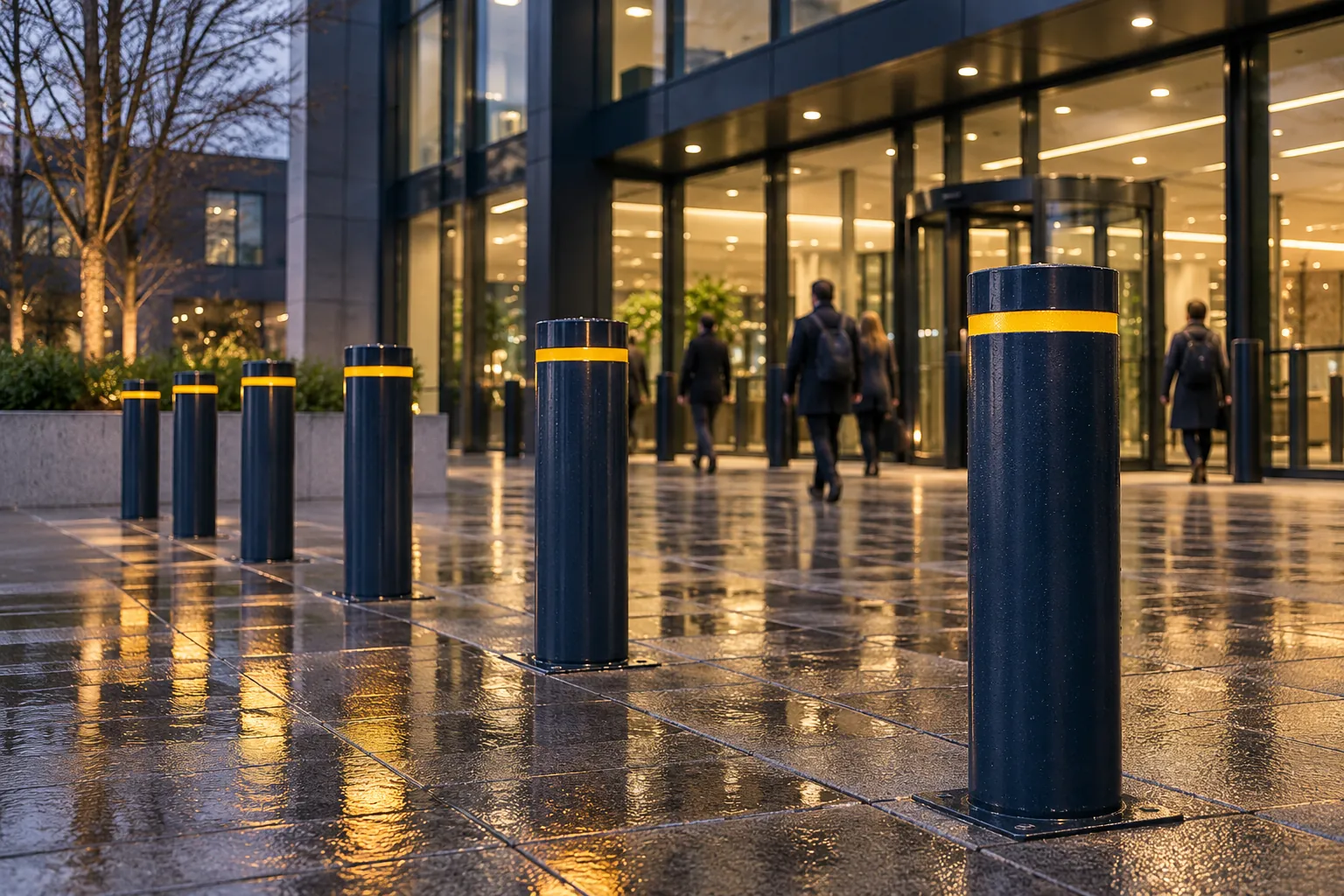 Vehicle impact: PAS 68 and IWA 14-1
PAS 68, IWA 14-1 and ISO 22343-1 vehicle impact ratings explained: test vehicles, speeds, penetration and how to specify HVM… View details →
Vehicle impact: PAS 68 and IWA 14-1
PAS 68, IWA 14-1 and ISO 22343-1 vehicle impact ratings explained: test vehicles, speeds, penetration and how to specify HVM… View details →
Security buyers search by standard and rating, not by brand. This hub explains the standards ArxBridge works to, how their ratings map to products, and where to find the full reference guide for each one.
- 8 guidesOne reference page per standard
- Forced entryLPS 1175 and LPS 2081
- Ballistic and blastEN 1522, EN 1063, ISO 16933
- Fire and vehicleEN 1634-1, PAS 68, IWA 14-1
How the ratings map to products
Each standard answers a different threat. Forced entry standards rate how long a doorset, window or shutter resists attack. Ballistic standards rate which weapons the product stops. Blast standards rate the charge and the distance it was tested at. Fire standards rate how long the product holds back flame, heat and smoke. Vehicle impact standards rate what a barrier stops and how far the vehicle gets.
The table below links to the full guide for each standard. Each guide gives the rating tables, explains how the test works, shows how to read a rating on test evidence, and lists the ArxBridge products rated to it.
| Standard | What it rates | Typical products | Guide |
|---|---|---|---|
| LPS 1175 | Forced entry, tool attack | Security doors, windows, shutters, grilles | LPS 1175 security ratings |
| LPS 2081 | Stealth attack, quiet tools | Doorsets near sleeping or working people | LPS 2081 stealth attack |
| LPS 1270 | Security glazing, attack resistance | Display glazing, secure windows | LPS 1270 security glazing |
| EN 1522 and EN 1063 | Ballistic resistance | Bullet resistant doors, windows, glass | Ballistic ratings: EN 1522 and EN 1063 |
| ISO 16933 | Blast resistance of glazing | Blast resistant windows, curtain walling | Blast ratings: ISO 16933 |
| E and EI | Fire integrity and insulation | Fire rated steel doors, louvre doors | Fire ratings: E and EI |
| PAS 68 and IWA 14-1 | Vehicle impact | Bollards, gates, street furniture | Vehicle impact: PAS 68 and IWA 14-1 |
| Terrorism (Protection of Premises) Act 2025 | Duty to consider protective security | Entrances, barriers, controlled access | Martyn’s Law |
Start from the threat, not the product. Name the attack you need to resist, find the standard that rates against it, then choose the product. A rating is only useful when it answers your threat.
Who specifies these standards
Architects name ratings in the specification so every bidder prices the same performance. Security consultants map the threat assessment to the right standards. Main contractors check that what is delivered matches the test evidence. Facilities and procurement teams use ratings to compare like with like when they replace or upgrade.
For most UK projects the shortlist is small: LPS 1175 for forced entry, EN 1522 where firearms are a risk, ISO 16933 where blast is a risk, fire classifications for compartmentation, and PAS 68 or IWA 14-1 for vehicle mitigation. The products hub shows which product group each threat belongs to.
Frequently asked questions
Which standard do I need for a security door?
For forced entry, LPS 1175, usually SR2 to SR4 depending on the threat. For stealth attack near sleeping people, LPS 2081. Where fire compartmentation applies as well, a fire classification such as EI 60 alongside the security rating. Name the threat first and the standard follows.
What is the difference between a rating and a certificate?
The rating, such as C5 or FB6, is the performance level the product achieved. The test evidence, issued by an independent body such as LPCB, proves which product achieved it. Always ask for evidence naming the exact product, not just the rating in isolation.
Do ratings expire?
Ratings belong to the tested product design. If the design changes, the rating may no longer apply, which is why the evidence must name the exact product as supplied. Standards themselves are revised over time, so name the current issue, such as LPS 1175 Issue 8, in the specification.
Get a free quote
Products
One supplier for the whole building envelope
Ready to specify your project?
Free assessment, written specification and test evidence. Reply within one working day.